Showing posts with label viruses. Show all posts

Saturday, November 6, 2021

What We Got Wrong with the U.S. COVID Response

Photo by CDC from Pexels
 

I have held an unpopular opinion since early in the coronavirus pandemic — the United States should have locked down completely. I have added more unpopular opinions on top of that in the past year and a half in criticism of the health agencies, both American and international. Though whether it’s unpopular really depends on the audience, as I know a lot of scientific and medical professionals would agree with me. 

With bad public messaging, unmitigated viral spread, lack of testing and quarantines, and inherent issues in the health care system, read my commentary at Medium on what the U.S. got wrong about COVID-19. 

 -------------------

Want to read more Medium articles each month? Use my link to subscribe as a Medium member and you'll support me and other writers, as well as have access to member-only articles, newsletters, publications like Maeflowers, and other features.

Sunday, October 4, 2020

Zinc and treating the common cold


Source

Since 1974, when a study titled “Zinc ions inhibit replication of rhinoviruses” by Korant, Kauer, and Butterworth was published in the journal Nature, the idea that zinc can prevent or cure the common cold has circulated. Many studies have looked at different zinc ionophores and lozenge formulas and their effect on the course of cold symptoms, as well as the potential biochemical mechanism at work. Though the exact mechanism of action is still unknown, there is some consensus that ionized zinc affects picornaviruses.


Zinc Against Cold Viruses


Rhinoviruses, of the family Picornaviridae, are only one type of almost 200 viruses that cause the acute respiratory infection symptoms known as the common cold. However, rhinoviruses are estimated to cause one-third to half of all colds, and preventing rhinovirus infections would severely limit the most common human infection.

Since the 1970s, studies have found that zinc ions may inhibit rhinovirus replication. Viral replication plays an important role in infection; inhibiting replication would prevent progression of the disease and ease symptoms. In addition, zinc ions have an affinity for the ICAM-1 receptor, which is bound by rhinovirus when infecting cells in the respiratory tract. Zinc binding the ICAM-1, or the rhinovirus-ICAM complex, would prevent infection of the nasal epithelium, preventing the duration of the common cold.

What Type of Zinc Reduces Cold Symptoms?

In the 1980s and 1990s, zinc gluconate lozenges were shown in some studies to decrease the duration of cold symptoms if taken within 24 hours of symptom onset, whereas other studies had no success. Zinc acetate lozenges appeared to have a better success rate, likely because of their formulation. The problem seems to lie in the concentration of ionic zinc in commercially available lozenges. The ionic zinc concentration is not measurable by the label on a package, it is dependent on what is released as the lozenge dissolves in the mouth over a period of time.

Zinc gluconate gels and nasal sprays have had experimental success in alleviating rhinovirus infection. Some formulations were even marketed, such as Zicam. However, these products were recently warned against due to users losing their sense of smell.

Potential Problems with Zinc Products

Though zinc lozenges have repeatedly been found to exert no side effects or create any problems, beyond the chalky taste, zinc nasal sprays have been shown to irreversibly damage the nasal lining. In particular, Zicam (zinc gluconate nasal spray from Matrixx Initiatives) was shown in an October 2009 study to have cytotoxic effects on both mouse and human olfactory sensory neurons, as well as a near complete loss of the nasal epithelium and submucosa. Sprays not containing zinc did not have this significant effect, indicating that the zinc was cytotoxic to the nasal mucosa.

Using Zinc to Stop a Cold

Though it is far from being a cure, there is evidence to suggest that zinc lozenges may help reduce cold symptoms, cutting the duration of the illness in half and alleviating symptoms more fully after the duration of the illness. A 2011 Cochrane Review concluded that zinc supplementation can reduce the duration and severity of a cold, though the change in duration is mostly by just 1 day. However, the exact mechanism of action is not known, and the exact dosage will differ by product. The guidance is to start with lozenges or tablets within 24 hours of the onset of a cold. In a 2017 meta-analysis, zinc acetate and zinc gluconate were shown to have similar effectiveness.


More studies are needed to better quantify zinc’s effect on rhinovirus and other cold viruses in order to reap the full benefit of this element.

Additional References:

Eby. Zinc lozenges as cure for the common cold: A review and hypothesis. Medical Hypotheses. 2009; doi 10.1016/j.mehy.2009.10.017

Hulisz. Efficacy of zinc against common cold viruses: An overview. Journal of the American Pharmacists Association. 2004; 44(5). Available on the Medscape website.

Lim et al. Zicam-induced damage to mouse and human nasal tissue. Public Library of Science (PLoS) One. 2009; 4(10), e7647.


Thursday, October 6, 2011

Beyond shingles - Ramsay Hunt Syndrome

Many people are aware of shingles - the painful rash that can develop years later after having chickenpox. But there are other forms of this reactivation of the varicella zoster virus (also known as human alphaherpesvirus 3 [HHV3]). 

Herpes zoster activation on the nerve from shingles to postherpetic neuralgia. Source


Ramsay Hunt syndrome is a painful recurrence of varicella zoster infection, the viral infection that causes chicken pox. When the virus infects a facial nerve in the inner ear, it causes a painful rash around the ear, called herpes oticus, which is referred to as Ramsay Hunt, or just Hunt, syndrome. A similar recurrence in the skin is known as shingles. The re-activated viral infection causes the nerve to become irritated and swell.

Symptoms of Ramsay Hunt syndrome

The most obvious symptom is the painful rash, which can occur on the eardrum, in the ear canal, or on the earlobe, as well as the tongue and roof of the mouth on the same side as the affected ear. Other ear-related symptoms include vertigo, which is a sensation that the room is spinning (similar to extreme dizziness), and hearing loss on the affected side. Another major symptom is weakness on one side of the face, which can manifest as difficulty closing the eye on the affected side, difficulties with the corner of the mouth on that side (such as trouble closing the mouth for chewing while eating or smiling), difficulties making facial expressions and facial droop, or facial paralysis and difficulty making finer facial movements. In the presence of these symptoms, a doctor can test the blood or perform a skin test for varicella zoster virus, test conduction along the facial nerve to determine the extent of damage, and imaging tests to ensure no other cause in the head.

How Ramsay Hunt syndrome is treated

Ramsay Hunt syndrome is treated pharmaceutically to alleviate the symptoms. The best responses are achieved when treatment begins within 3 days of symptoms appearing. The cause is a virus, so antibiotics have no effect, but antiviral drugs may have some effect. The drugs that may be prescribed include acyclovir and valacyclovir, and they may be recommended to be used for a week or more. To reduce the rash, strong anti-inflammatory drugs are used, specifically steroids such as prednisone. They are usually given for about a week. Other treatments include:

-An eye patch to protect the eye on the weak side and avoid corneal damage

-Painkillers for continuing pain during steroid treatment

-Anti-emetic drugs for vertigo

Delayed treatment can increase the risk of complications, which includes disfigurement. Other reasons for timely treatment are complications from extensive nerve damage. The damaged nerve may grow back in the wrong area, known as synkinesis, which can cause tears or blinking at inappropriate stimuli, such as chewing. Other complications include postherpetic neuralgia, changes to taste, and spread of the infection to other nerves.

Tuesday, October 4, 2011

Bacteria can be used to fight dengue fever-causing viruses

Wolbachia infected insect cell, by Scott O'Neill


Dengue fever is caused by four viruses that are spread by mosquitoes. Some infections are severe, leading to a hemorrhagic fever. The common fever is generally not fatal, but infection causes uncomfortable and unpleasant symptoms for a week or longer without any available treatment. Dengue hemorrhagic fever, on the other hand, has a higher mortality rate due to blood loss and shock. Dengue fever affects 100 million people each year and kills more than 12,000. Because the mosquitoes that transmit the virus are active during the day, the preventative measures used to curb other mosquito-borne diseases, like bed nets for malaria, are not helpful in preventing its spread. Infective agents and the introduction of anti-dengue genetic strains into the mosquito populations have been pursued as alternatives.

Aedes aegypti mosquitoes are the primary vector of dengue virus. Wolbachia is an intracellular bacterium that tends to be endosymbiotic with the host mosquito and passed to its offspring. This bacterium has been found to inhibit viral replication within the mosquitoes that harbor it and prevent its transmission without the need for genetic engineering. In the journal PLoS Pathogens in 2010, researchers at Michigan State University showed that Wolbachia bacteria completely block the transmission of dengue from more than one-third of the infected Aedes aegypti mosquitoes they evaluated.

As noted in the journal Nature in August 2011 by Walker et al., several Wolbachia strains have been identified, each with their own effects on the mosquitoes. The strain wMelPop-CLA was shown to reduce the lifespan of the Aedes aegypti mosquitoes, which in turn reduces the transmission of dengue. Another strain causes cytoplasmic incompatibility, which reduces the reproductive activity of the mosquitoes. Female mosquitoes infected with Wolbachia pipentis had half the reproductive lifespan as female mosquitoes that were not infected. Reducing the number of mosquitoes that a mosquito can have aids in controlling the dengue-spreading populations. This feature of Wolbachia infection has been known since at least the 1990s (as noted in PNAS in 2004).

This strategy against dengue transmission has been shown to be possible based on the natural infection of two mosquito populations in Australia, as described by Hoffmann et al. in Nature in August 2011. Though the exact mechanism underlying the bacterium’s effect on the virus is not certain, researchers find the current results promising as the bacteria are naturally occurring endosymbiotes, spread quickly in the mosquito population, and appear effective at controlling both the mosquito populations and viral transmission.

Monday, October 3, 2011

Eastern equine encephalitis risk

EEEV in a mosquito saliva gland

Eastern equine encephalitis (EEE) is caused by the eastern equine encephalitis virus (EEEV), which is transmitted by infected mosquitoes. As implied by its name, the virus primarily affects horses, but human cases sometimes occur. The Centers for Disease Control and Prevention (CDC) in the United States considers EEE one of the most severe mosquito-borne illnesses because its mortality rate is approximately one-third of all individuals who develop EEE. The disease has a sudden onset with swelling and inflammation of the brain (encephalitis), causing headache, fever, chills, and vomiting. However, only 4 to 5 percent of human infections with EEEV are thought to actually develop into EEE.

The transmission cycle of the virus tends to occur in and around swampy areas, including the freshwater hardwood swamps of the Unites States - the Atlantic and Gulf Coast states of the United States have endemic areas of virus transmission, and the endemic areas also now include around the Great Lakes. Wetland birds are infected with EEEV, which then infects the mosquitoes that bite them. When the virus is present in high enough quantity in the bird population, mosquitoes that bite humans may also become infected, allowing them to spread the virus to humans. Horse epidemics of the disease tend to occur in Summer and Fall. The CDC has received reports of only an average of 6 human cases of EEE per year in the United States. Since 1964, the most number of cases in a given year was earlier this past decade with nearly 25, and the average reported per year appears to be increasing.

Florida, Georgia, Massachusetts, and New Jersey have reported the most cases of EEE (neuroinvasive EEEV infection) since 1964, and were some of the earliest areas of the country affected by the disease. However, between 1964 and 2010 cases of EEE have also been reported in individuals living in Wisconsin, Michigan, Indiana, Pennsylvania, New York, New Hampshire, Rhode Island, Delaware, Maryland, Virginia, North Carolina, South Carolina, Alabama, Mississippi, Louisiana, and Texas (see a distribution map). The breakdown of number of cases per year per state available from the CDC indicates that the areas of viral transmission have been spreading since 1964.

Massachusetts is considered particularly vulnerable to the chance of an EEE outbreak. The density of residents, coastal area, history of EEE cases, and confirmed presence of EEEV in mosquitoes in a number of counties in the state create a situation that requires preventative measures to avoid human transmission. Outbreaks occur in the state every 10 to 20 years. The last outbreak in Massachusetts was 2004 to 2006.

States that have not previously had experience with EEE may be even more at risk because they do not have the surveillance system in place to monitor the viral load in mosquito populations. The economic conditions of some areas may also hamper proper preventative measures. As horse outbreaks occur (as in Michigan in 2010), the risk of human infection increases in any area of the country.


Tuesday, July 19, 2011

Hepatitis C phenotypes

Cancer caused by HCV

Hepatitis C virus (HCV) is the most common bloodborne infectious agent in the United States. It causes hepatitis - inflammation of the liver. Approximately three-quarters or more of infected individuals go on to develop chronic disease after infection (currently 3 million people), many of whom originally appeared asymptomatic, but some may experience other phenotypes with or without treatment, including spontaneous viral clearance and sustained virological response. HCV is most commonly spread through contaminated blood, including intravenous drug use. Sexual transmission is also possible.

Read more about the three phenotypes of HCV infection below the jump.

Friday, July 1, 2011

Herpes simplex - not as simple as you think

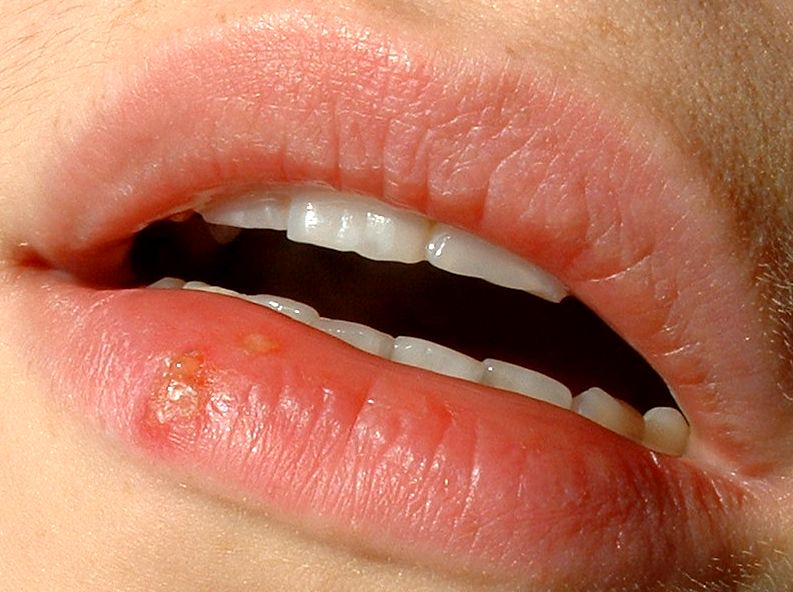
Herpes labialis

Cold sores are the commonly known form of oral herpes, though herpes is best known as its genital form. Both are caused by the herpes simplex virus. No cure is available for herpes simplex infection because it hibernates in the nerve cells. A weakened immune system puts an individual at greater risk for infection.

HSV-1 and HSV-2 can both cause oral or genital lesions, and can be spread by symptomatic or asymptomatic individuals via body fluids. When spread by an individual who lacks sores or symptoms, the transmission is called asymptomatic viral shedding. After initial infection, outbreaks can be triggered by stress, menstruation, sun exposure, fever, and illness.

Read more about types of herpes simplex virus below the jump, and then protect yourself.

Tuesday, May 31, 2011

Anti-HIV treatment may reduce transmission to partners

AZT - antiretrovirals

Individuals diagnosed with HIV are presented with a life-shattering possibility – transmission of the eventually lethal virus to their spouse/partner. Condom use and abstinence have been the recommended prevention methods, but on May 12, 2011, researchers announced startling findings that may aid in preventing transmission further. The antiretroviral drugs HIV-positive patients take to stave off AIDS may actually prevent them from infecting their partners.

The 73 million dollar study was funded by the National Institutes of Health and conducted in nine countries, mainly in Africa, where the majority of AIDS cases are found (only two American couples took part, presumably due to the possibility of not receiving treatment until later in the study). As summarized by the LATimes, the current results on transmission to partners among more than 1700 couples were released four years before the study is even supposed to end due to their outstanding nature. The researchers found that antiretroviral treatment reduced the transmission of the virus 96%. Twenty-seven of 28 new infections occurred among couples who were not treated until their CD4 T cell count reached 350 compared to one case of infection among couples treated when the count fell below 500. The results indicate that new guidelines to treat HIV infection earlier, when the CD4 count drops below 500 rather than 350 as previously recommended, are beneficial.

The Wall Street Journal estimates that the study results may add fuel to the treatment versus prevention debate for funding in AIDS research, as the two aspects now clearly overlap. Increasing the number of individuals who are treated decreases the overall community viral load, resulting in decreased transmission overall in addition to reduced transmission among partners of HIV-positive patients. In addition, it should put pressure on companies to make the drugs less of a financial burden, ensuring that those who need treatment can seek it, especially amid current under-treatment – according to the Journal, only a third of those who required treatment in 2009 received it. As noted in the LATimes, the drugs used in the study were provided free of charge by the pharmaceutical companies that made them. The cost would normally be in the hundreds of dollars per year in developing countries, and they have not traditionally been affordable according to the AIDS charity AVERT.

The researchers also found that the earlier treatment benefitted the HIV patients by reducing the incidence of disseminated tuberculosis. Tuberculosis is one of the primary causes of death among HIV-infected individuals.

The study began in 2005 and researchers will continue following the couples for another year to ensure the results hold up over time. Experts quoted in news reports remind people that more than one prevention method increases the chances of actually preventing transmission, so condom use should still be emphasized if receiving antiretroviral treatment.


Friday, May 27, 2011

Broadly neutralizing HIV antibodies and the hope for a vaccine

Antibody binding HIV. Peter Kwong, NIH

Yesterday I posted about how HIV antibodies are made. But why are they important? More specifically - why is the recent work on broadly neutralizing antibodies important?

Antibodies are produced against cell surface proteins, the portions of the infecting agent visible to immune cells. The problem thus far with HIV is the broad range of cell surface proteins expressed by the various strains currently infecting the human population, as well as the potential mutations to come. However, broadly neutralizing antibodies, though rare, have been identified in the blood of HIV-infected patients. They bind and affect portions of the cell surface that remain relatively constant among HIV strains.

Read more about the challenges and promise of broadly neutralizing antibodies in HIV vaccine development below the break.


Thursday, May 26, 2011

HIV antibody production

To exploit the immune response and the natural system of neutralizing or killing a virus and preventing infection, researchers develop antigens that stimulate the human body to make the antibodies that are most efficient and effective at achieving the intended goals.

For HIV, though, this has been difficult because the surface antigens of HIV vary broadly among infected individuals. A solution to this problem is thought to exist with broadly neutralizing antibodies, naturally occurring human antibodies against relatively constant antigens on the surface of the HIV virion.

When a pathogen or foreign agent enters the human body, the immune system responds in both a broad and specific manner. The human immunodeficiency virus (HIV), the pathogen that causes AIDS, is no exception. The specific immune response involves the processing of the pathogen and presentation of its proteins, or antigens, by specialized immune cells (macrophages and dendritic cells) to other immune cells, one type of which, specifically B cells, are then activated to genetically rearrange and produce antibodies specific to the viral proteins. Antibodies are simply specialized proteins that are produced on an as needed basis under normal circumstances. When an antibody comes into contact with an antigen, usually on the cell or pathogen surface because of accessibility, it binds and causes the pathogen to either be neutralized or destroyed.

Vaccines are a method of artificially stimulating antibody production by exposing the immune system to antigens prior to infection. The human body produces antibodies specific to the antigens or strain with which it is infected. For HIV, this specificity makes vaccination thus far troublesome as the surface antigens of HIV vary broadly among infected individuals. A solution to this problem is thought to exist with broadly neutralizing antibodies, naturally occurring human antibodies against relatively constant antigens on the surface of the HIV virion. These consistent proteins are involved in the infectivity of HIV – the CD4 binding site (glycoprotein gp120) that allows the virus to bind T cells and gp41, the surface protein involved in HIV envelope and cell membrane fusion and viral entry.

To exploit the immune response and this natural system of neutralizing HIV and preventing infection, researchers develop antigens that stimulate the human body to make the antibodies that are most efficient and effective at achieving the intended goals. The most promising method of making HIV antibody is thought to involve creating a vaccine with components that mimic the HIV glycoproteins involved in CD4 recognition and binding – corresponding to the broadly neutralizing antibodies VRC01 and VRC02, which are reported to prevent 90 percent of global HIV strains from infecting human cells in the lab (work by the NIH). The previous most promising vaccine candidate was found in clinical trials to only benefit less than one-third of individuals, which does not meet the goals of vaccination. The discovery of the VRC antibodies is hoped to further advance work on a vaccine that will stimulate the human body to make HIV antibody effectively and in a manner that prevents infection with most, if not all, strains of the virus.

Friday, April 8, 2011

Retroviruses integrated into the genome can teach us about HIV

Chimp endogenous retrovirus 2, or CERV 2, is an ancient virus that first infected chimpanzees after the Old World primate line diverged from that of humans several millions of years ago. Humans are not infected by the virus, and scientists are interested in knowing why, hoping that understanding the evolution of retroviruses and host resistance in chimps will unlock treatments and potential vaccine targets for retroviruses that do infect humans, like HIV.

Endogenous viruses are viruses that have integrated into the host genome (some refer to them as fossil viruses). An estimated 8 to 10 percent, if not more, of each mammalian genome consists of such retrotransposable elements. Chimp endogenous retrovirus 2, or CERV 2, is an ancient virus that first infected chimpanzees after the Old World primate line diverged from that of humans several millions of years ago. Humans are not infected by the virus, and scientists are interested in knowing why, hoping that understanding the evolution of retroviruses and host resistance will unlock treatments and potential vaccine targets for retroviruses that do infect humans, like HIV.

Retroviruses are different from other viruses in that their genetic code is RNA instead of DNA. This requires additional steps for replication after infection. Viruses are obligate parasites – they require the host’s machinery to replicate and survive, they cannot do so on their own. Retroviruses insert their genetic code into the host cells for its own survival, and the potential for integration into the host genome has been considered intuitive.

Out of 42 families of endogenous retroviruses in chimps, only two, CERV 1 and CERV 2, have not been found to have human orthologs (that is, a corresponding genomic element). CERV 2 has also been found in the genomes of gorilla and other old world monkeys, but not orangutans and new world monkeys. For the viral element to be integrated into the genome, the virus had to have once been capable of infecting that species. The lack of the viral element in some species also indicates that it could not infect those species. The difference in the virus’s ability to infect a species could be caused by the  manner in which the virus is transmitted (for example, biting, so it infects monkeys more readily than humans), the conditions for transmission (for example, some pathogens spread only in low hygiene conditions), and/or genetic elements, including cell surface receptors.

A team of retrovirologists at Rockefeller University identified a receptor that may be responsible for the infection of chimp cells by CERV2, copper transport protein 1 (CTR1). They published their findings in the Proceedings of the National Academy of Sciences in October 2010, and many have referred to the study as “reviving” an ancient virus. According to PhysOrg, the team had previously identified two proteins on human cells that protect against retrovirus infection, but they had not previously been able to determine why chimp cells were susceptible to CERV. However, the research group did find (2008, PLoSPathogens) that the protein APOBEC3 restricts retrovirus replication in some primates by applying mutational pressure, a mechanism potentially at work in humans.

Sunday, May 4, 2008

Roadblocks to eliminating AIDS

When I was finishing up my degree I taught graduate school courses on pathology. One topic that I was extremely interested in was HIV/AIDS. I had become interested in the topic in my undergraduate virology course when I had to help develop a class presentation on the virus.

Since then I've written several articles (see summarized update below) and commentaries on the subject. Recently I wrote a news update [broken link] on the clinical trials of the newest prevention technique - vaginal gel. Unfortunately, many of the latest trials have had to be halted due to the lack of usage among participants. Organizations are testing the female-based methods in Africa, the epicenter of the AIDS epidemic. Only 10% of women used the gel as directed! Several dropped out of the trial due to pregnancy. 1/4 of the women who initially signed up for the trial couldn't participate because they were already infected with HIV and didn't know it.

It's a shocking realization that after 25 years, there is still a place on the planet where condom use and HIV infection is not taken seriously. Thousands of children die or are made orphans by their parents deaths each day. Women and children are half of the victims. And the traditional high risk groups are no longer the ones to watch. Heterosexual partners of a high risk person is the largest growing group of HIV patients! Even in the United States, the prevalence of HIV infection is equivalent to the late 1980s [broken link] according to the latest information released by the CDC.

I'm just stunned, that as the number of infections and deaths has gone up, the level of prevention has not changed. You can bet that I'll still be writing on this in ten years, just as I was almost ten years ago. I hope it's to say that infection rates are down, but I doubt it will be about a cure. The virus is too able to adapt. It has to be stopped before it starts. Prevention!

------

AIDS Epidemic Update January 2008

Acquired Immunodeficiency Syndrome (AIDS) was first recognized as a disease by scientists in 1981. To date, a reported 25 million deaths have been attributed to AIDS and its associated opportunistic diseases. AIDS is caused by the Human Immunodeficiency Virus (HIV), a retrovirus with counterparts in other species such as monkeys, cats, and horses.

The AIDS epidemic is believed to have peaked in the late 1990s though world health officials still contend there is much to do. The past year (2007) still saw 2.5 million new infections. In sub-saharan Africa AIDS affects men, women, and children. Elsewhere in the world outbreaks are mostly concentrated to high risk groups, but has been on a rise in heterosexual female partners of high risk group members since 1990 (NY Times 12/90, Journal Watch 1999). High risk groups include intravenous drug users, homosexual men, and sex workers.

New AIDS Infection Rate Estimates

The World Health Organization (WHO) and United Nations AIDS agency reported in November 2007 that the number of global AIDS cases fell from over 39 million to 33.2 million in 2007. This was due to new methodology that deflated previous estimates, mainly revised numbers from India and new data from sub-saharan Africa, the epicenter of the epidemic where AIDS is still the leading cause of death. Previous AIDS numbers were devised by projecting the AIDS rates of certain high-risk groups to the entire population at risk as well as the number of infected pregnant women at clinics. The new numbers include data such as national household surveys. Critics contend that even with revisions the numbers may still be too high and more revisions may be in store in the near future.

The Origin of HIV in America

New information about the origins of AIDS also came to light in 2007. A group involving evolutionary biologist Michael Worobey at the University of Arizona conducted genetic analysis on stored blood samples from early AIDS patients. Haitian immigrants in Miami as early as 1979 suffered from a mystery illness that turned out to be AIDS. The governments had stored the samples and the study was able to use five samples taken from Haitian immigrants in 1982 and 1983 along with 117 other early AIDS patients worldwide.

Other studies had previously suggested that the virus first entered the human population around 1930 in central Africa, most likely from slaughtered chimpanzees infected with the simian AIDS virus, SIV. Worobey’s group ruled out the possibility that HIV came directly to the United States from Africa. They found a 99.8% probability that Haiti was a link between the virus’s trek from Africa to the United States, a path long under debate by researchers. The study found that HIV was brought from central Africa to Haiti by an infected person around 1966, matching earlier estimates, but that HIV was brought into the United States in about 1969, earlier than previously thought. The virus was probably brought in by a single infected immigrant.

Reference

Gilbert, M.T.P. et al., 2007. The emergence of HIV/AIDS in the Americas and beyond. Proceedings of the National Academy of Sciences of the United States of America, 104(47), p.18566-70.